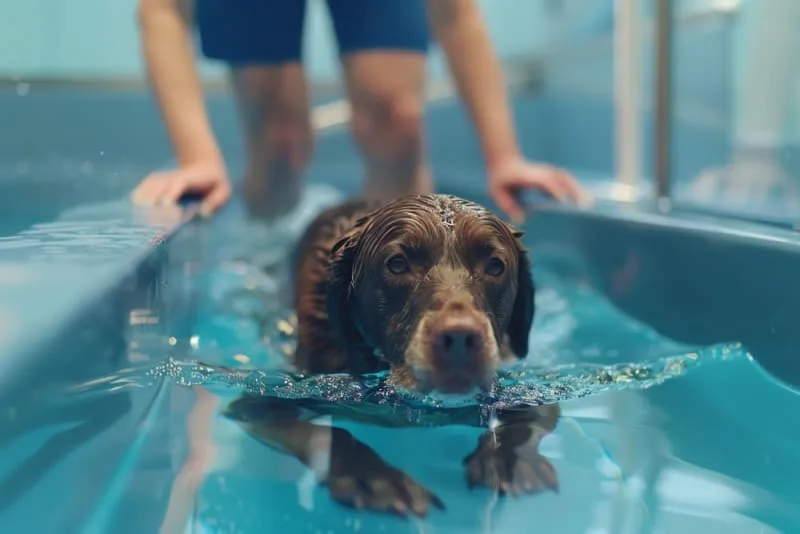
Much like people, pets can benefit from the use of therapies to improve mobility and speed up healing. Here, our veterinarians in Cumming discuss pet physical therapy and rehabilitation and how it can help improve their quality of life after an injury or surgical procedure.
What is veterinary rehabilitation?
Dog and cat rehabilitation, also known as pet physical therapy, is a specialized field of veterinary medicine that focuses on improving the mobility, function, and overall well-being of pets through targeted exercise programs, manual therapies, and innovative techniques. Whether aiding in post-operative recovery, managing chronic conditions, or simply optimizing performance, pet rehabilitation can help our furry companions lead happier and healthier lives.
Benefits of Physical Therapy for Dogs & Cats
In the past, vets recommended that cats and dogs receive physical therapy when in pain or after surgery. However, recent research has shown that more options are available to help cats and dogs stay active, recover, receive suitable exercise, and maintain their quality of life with physical therapy.
Our pet physical therapy services at Crestview Animal Hospital & Emergency offer a variety of benefits, including:
Improved function and quality of movement
Reduction of pain, swelling (inflammation), and complications
Improve muscle strength
Minimize muscle loss (atrophy)
Contribute to alleviating pain from chronic conditions, e.g., arthritis & obesity
Increased speed of recovery
Increased strength, range of motion, endurance, and performance
Non-invasive approach
Psychological implications for both animal and owner
Improved and prolonged quality of life
Prevention of other injuries
Decreased need for NSAIDs (inflammation medication) or other medications, e.g., Metacam
Improvement or preservation of muscle, nerve, and joint function
When might physical therapy be recommended for dogs and cats?
Post-surgical recovery, typically orthopedic or neurological
Musculoskeletal injuries, e.g., sprains, strains, tendonitis, muscle weakness
Disc disease, pain, paresis
Gait abnormalities, e.g., lameness, asymmetry
Joint injuries, e.g., arthritis
Wound healing
Pain management
Performance problems in the canine athlete
Swelling and circulation problems
Cardiorespiratory complications
Weight loss / management
Veterinary Rehabilitation for a Non-Invasive Approach
Many pet parents are drawn to physical therapy for dogs and cats due to its non-invasive manner. This makes it an appealing option for pet owners hesitant to choose surgical interventions or pharmaceutical treatments.
Rehabilitation harnesses the power of natural remedies to promote wellness from within by using the body's natural healing mechanisms.
The holistic approach reduces the risks associated with invasive procedures and promotes a sense of well-being in our beloved pets. It fosters a harmonious balance between body, mind, and spirit.
Is physical therapy the right choice for dogs and cats?
Physical rehabilitation benefits our pets, helping them overcome physical challenges and lead fulfilling lives. By focusing on pain management, better mobility, and overall well-being, rehabilitation specialists can make a significant difference in the lives of dogs and their families.
If your dog could benefit from physical rehabilitation, please speak to our veterinarians at Cumming. Our team will examine your pet and help you determine whether physical rehabilitation could help your furry family member feel better and regain their zest for life.
Note:The advice provided in this post is intended for informational purposes and does not constitute medical advice regarding pets. For an accurate diagnosis of your pet's condition, please make an appointment with your vet.
Would you like to learn more about dog and cat physical therapy and rehabilitation at Crestview Animal Hospital & Emergency? Contact our vets in Cumming to book an examination for your pet today.